Insights9 min read
Care Home Fire Drills: What Hong Kong Requires
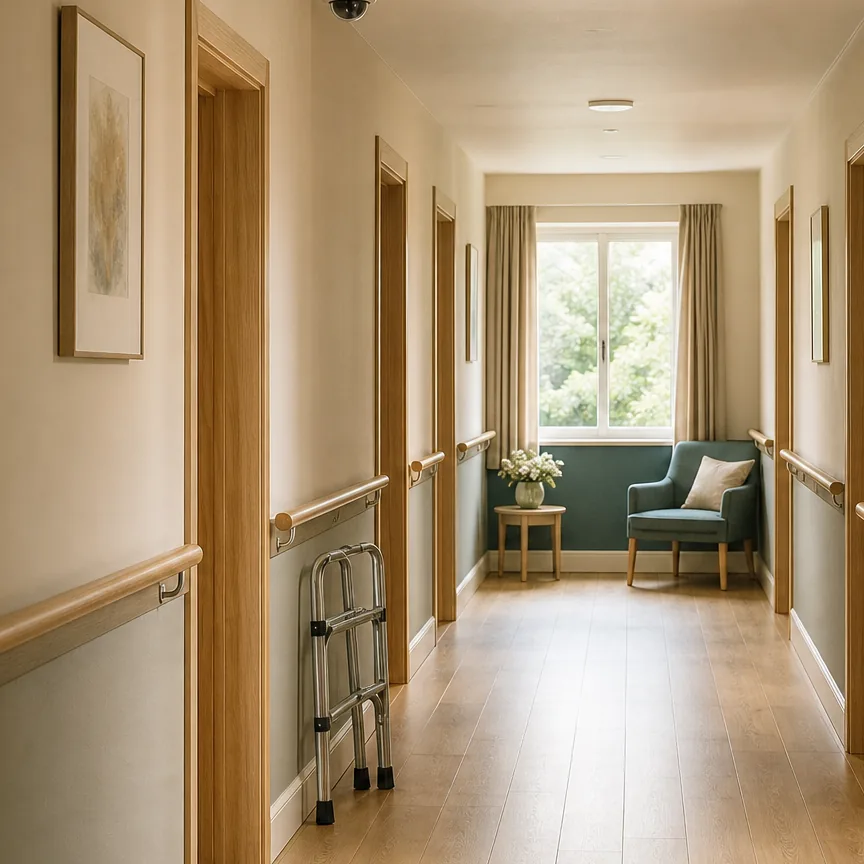
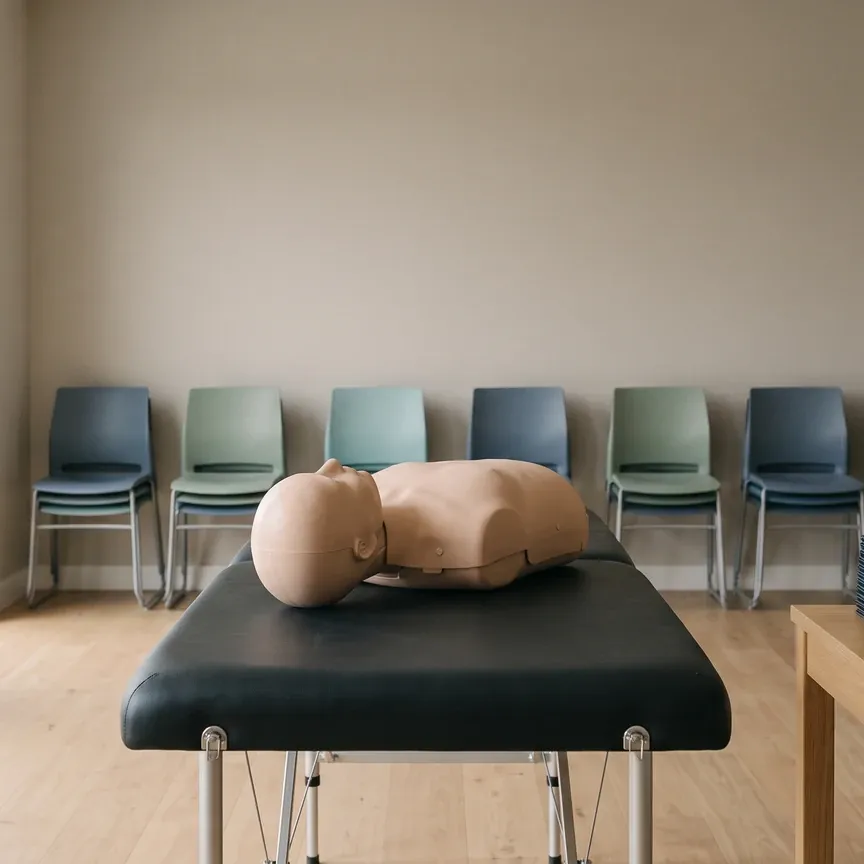
A Hong Kong care home must run a fire drill at least once every 6 months and keep the record for inspection. What the plan must contain, and what a drill tests.
Read the note
Practical notes on falls, incident reporting, monitoring technology and daily care-home operations.
SilverGuard Insights collects what we learn building privacy-first safety and compliance tools for aged care. Each note is written for care operators, clinicians and families, and links to the product pages and sister brands only where the topic genuinely calls for it.
Hong Kong aged-care tech watch
We read the HK policy papers, subsidy circulars and care-home notices, then send one short note when something actually changes: what changed, who it affects, and what to do next. No fixed schedule — if nothing moves, you hear nothing.
A Hong Kong care home must run a fire drill at least once every 6 months and keep the record for inspection. What the plan must contain, and what a drill tests.
Read the noteHow camera fall detection works in a care home: pose estimation on existing CCTV, what it can and cannot see, privacy limits, and the response it still needs.
Read the noteThe Code of Practice for Residential Care Homes (Elderly Persons) is issued under section 22 of Cap. 459. What each chapter requires, and what changed in 2026.
Read the noteFall detection in a care home bathroom: why a camera cannot go there, which sensors and design measures do work, and how staff practice covers the rest.
Read the noteBrain training games are judged on the domain they target, how difficulty moves, the evidence, and whether a 30-minute session can run twice a week.
Read the noteGames for seniors come down to six checks you can make in an afternoon: touch targets, contrast, ads, data collected, the tablet at home, and a two-week trial.
Read the noteA Hong Kong will is a signed, witnessed statement of who inherits what. Section 5 formalities, probate, fees, and the template mistakes families make at home.
Read the noteNight-time checks in care homes: what a Hong Kong night round actually covers, what gets written down, how a finding escalates, and where sensors help.
Read the noteA locked door policy for a care home: what the Code of Practice asks for, who holds a key on each shift, the alternatives to try first, and what to record.
Read the noteAn enduring power of attorney in Hong Kong: the prescribed form, the doctor and the solicitor, the 28-day rule, and the High Court filing fee.
Read the noteA caregiver app earns its place by recording six things: medication, meals, mood, falls, appointments and supplies. What to log, and who types it.
Read the noteThe Special Scheme to Import Care Workers for Residential Care Homes opened on 19 June 2023. Its quota, the local hiring ratios, wage floor and visa route.
Read the noteHow bed exit alarms in care homes work, how pressure pads, infrared and wearables compare, where each fits, and why alarms support rather than replace staff.
Read the noteA handover notes template with five fields: what happened, what changed, mood and mobility, what comes next, and what runs out. Ten minutes, spoken and written.
Read the noteA bought place is a subsidised care home place the Social Welfare Department buys from a private home. What 甲一 and 甲二 mean, what a resident pays, and the wait.
Read the noteWhat happens when a stroke patient leaves hospital in Hong Kong, what a care home must be able to do, the questions to ask, and the first-month review.
Read the noteHow advance care planning and the 預設醫療指示 work in a Hong Kong care home under Cap. 651: the conversation, the record, the review and staff practice.
Read the noteWeight loss and malnutrition in care homes: the screening thresholds, mealtime observation, food fortification and the records that trigger a referral.
Read the noteHow Hong Kong care homes assess continence, run a toileting programme, choose and change pads, protect skin, care for catheters, and where wetness sensors help.
Read the noteA practical fall prevention checklist for residential care homes, covering risk factors, the environment, staff routines and where monitoring technology fits.
Read the noteHow to run a fall risk assessment in a care home: what to record, how often to repeat it, how to escalate a change, and where the record belongs.
Read the noteHealth worker registration in Hong Kong is required before a care home may employ anyone in the post. The approved course, the CarePro route and renewal.
Read the noteHow to choose a fall detection system for a care home, and how fall prediction differs from detection: camera, radar and wearable options, and the vendor questions.
Read the noteWhat privacy-preserving vision means in a care home: on-device processing, skeletal rather than facial detection, retention and the questions families ask.
Read the noteHow to write an incident report in aged care: the six fields to record before the shift ends, the 24-hour review, and accident and incident reporting in care homes.
Read the noteHow to keep care home documentation after a fall short, searchable and consistent, so the record supports the resident and the next shift, not the cabinet.
Read the noteHow care homes can keep families informed after an incident: what to say, when to say it, what not to speculate about, and how to keep updates consistent.
Read the noteApplying for a care home licence in Hong Kong, step by step: form SWD 691, the plans and approvals that hold it up, the 36-month term and what it costs.
Read the noteA working structure for a care home risk assessment: the domains to cover, how to keep it current, and how it differs from a resident-level falls assessment.
Read the noteWhy night-time falls happen in care homes and what can be changed: lighting, the toilet route, staffing rhythms and where monitoring genuinely helps.
Read the noteHong Kong's minimum floor area per resident is 9.5 m² in a nursing or care and attention home and 8 m² in an aged home, phased in from 6.5 m² by 2028 and 2032.
Read the noteRestraint use in care homes is governed by section 33A of Cap. 459A, the Code of Practice and Nursing Council guidance. The frame, and what to try first.
Read the noteResident medical examination form: a registered medical practitioner signs it before admission and at least every 12 months under section 34 of the Regulation.
Read the noteHow a care home can choose a monitoring or care platform: requirements first, a pilot with exit criteria, five-year cost, false alarm load and privacy.
Read the noteLoneliness in care homes is not the same as being alone. Here are the risk factors Hong Kong guidance lists, the Code's requirements, and what works.
Read the noteHow a care home records and stores medicines: who may prepare and give them, what the medication record must show, and what a licensing inspection checks.
Read the noteElderly oral health care in a Hong Kong care home covers daily brushing and denture care, swallowing safety, and the dental subsidy a carer can apply for.
Read the noteWhy dementia wandering happens in a care home, what environment and monitoring can change, and what Hong Kong guidance says on restraint and locked doors.
Read the notePressure ulcer prevention in a Hong Kong care home rests on a turning schedule, skin checks at every change, moisture control and knowing when to escalate.
Read the notePreparation for a care home inspection in Hong Kong: the licence, the Code of Practice records an inspection asks for, and the certificates behind them.
Read the noteManual handling injury among care home staff in Hong Kong: the Part VII duties, the eight transfer principles and the training records a home must show.
Read the noteHong Kong's care home staffing ratio is 1 care worker for every 20 residents during the 10 specified hours, and 2 staff on duty from 6 p.m. to 7 a.m.
Read the noteCare home infection control in Hong Kong: the written policy, hand hygiene moments, isolation, cleaning records, staff vaccination and outbreak reporting.
Read the noteGerontechnology funding in Hong Kong: what the Social Welfare Department I&T Fund pays for, its ceilings by bed count, who may apply, and what it excludes.
Read the noteHow a care home manages dysphagia at mealtimes: the signs staff can see, who sets the food texture, the IDDSI levels and the local care food standard.
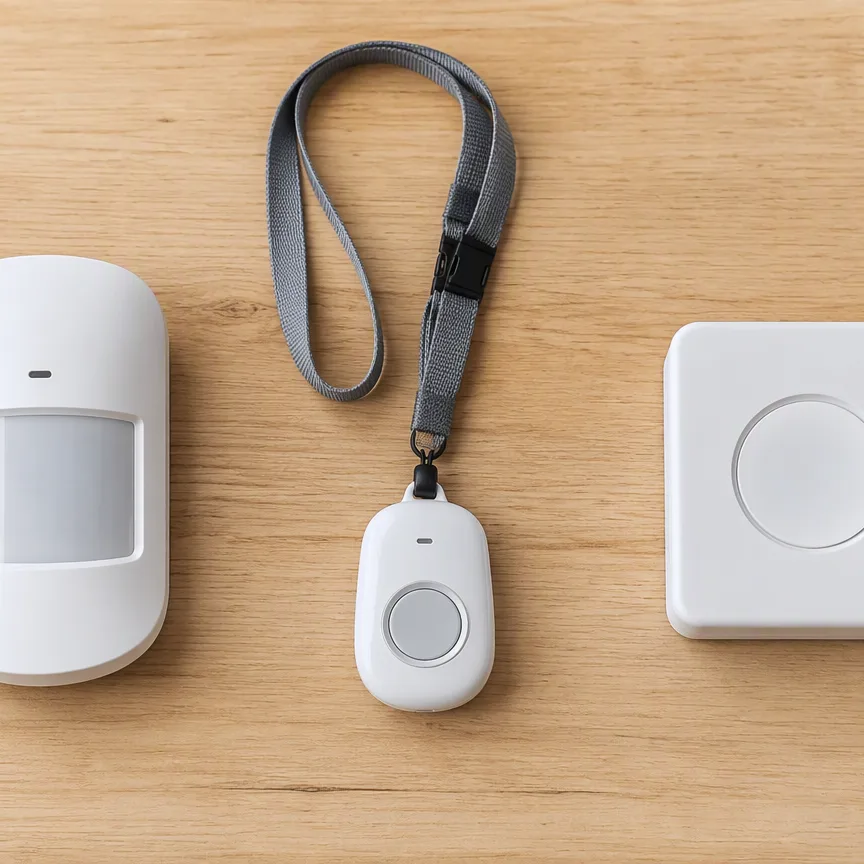
Read the noteA personal alarm only works if the button is pressed; a fall detection sensor reads the fall itself. Compare pendant, wearable, radar and camera approaches.
Read the noteRespite residential care in Hong Kong: the age 60 threshold, the social worker referral route, the daily fee by home type, and how to find a vacancy for a short stay.
Read the noteThe Hong Kong residential care home voucher scheme pays a voucher value to a home the family picks, with a co-payment set by an individual means test.
Read the noteA private care home fee is set by the home, not capped by government. What the admission agreement must state, what a deposit may cover, and what to ask first.
Read the notePublished monthly fees for subsidised care home places in Hong Kong, what the Enhanced Bought Place Scheme pays, and how the care home voucher fits beside them.
Read the noteHong Kong's community care service voucher pays HK$4,526 to HK$10,824 a month across six co-payment levels. Here is who qualifies and how to apply.
Read the noteThe Elderly Health Care Voucher Scheme gives Hong Kong residents aged 65 or above $2,000 a year for private primary care, accumulating to an $8,000 limit.
Read the note